Jammu, August 17: A massive landslide disrupted traffic on the Jammu-Srinagar National Highway (NH-44) in Jammu and Kashmir’s Udhampur district on Monday, affecting movement on one of the region’s most important road corridors.
Pic Credit: Pexel
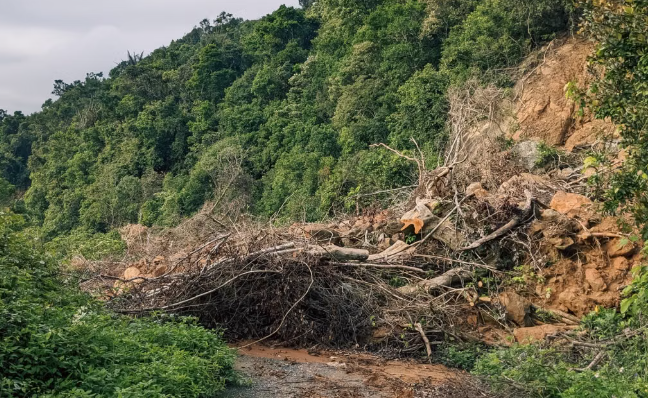
The landslide occurred near Darmathal-Dewal in the Udhampur-Chenani sector, where large quantities of mud, rocks and debris fell onto the highway and blocked traffic, particularly on the Srinagar-bound upper tube.
The National Highways Authority of India (NHAI) and local teams immediately deployed machinery and launched debris-clearance operations to restore traffic. Movement around Jakhani and Dewal-Samroli was also affected, with authorities introducing controlled releases, intermittent halts and single-lane diversions wherever necessary.
Authorities have advised motorists to avoid non-essential travel on the affected stretch until weather conditions improve and the road is declared safe. Travellers heading towards Kashmir have also been urged to check traffic advisories and exercise caution on vulnerable sections.
The Jammu-Srinagar highway, stretching nearly 300 km, remains a vital connection for the Kashmir Valley. Despite the expansion of railway connectivity, the highway continues to carry essential supplies, commercial goods and agricultural produce between Jammu and Kashmir and markets across the country.
The route is particularly important for Kashmir’s horticulture sector, with large quantities of apples and other fresh produce transported by trucks to markets outside the Union Territory.
The latest landslide highlights the challenges faced by road infrastructure in the mountainous region, particularly during periods of heavy rainfall. Unstable slopes, saturated soil and falling rocks can quickly disrupt traffic and create safety risks for commuters.
Regular monitoring of vulnerable stretches, improved drainage, slope protection and rapid deployment of road-clearance teams can help reduce the impact of such incidents and speed up restoration.
For now, authorities are prioritising safe debris removal and controlled traffic management, with normal movement expected to resume only after the affected stretch has been thoroughly inspected and declared safe.