Bhubaneswar, Sept. 22 (UDN): The Odisha government has signed a five-year Memorandum of Understanding (MoU) with the to strengthen rural livelihoods, clean energy access and community services across six districts in southern Odisha through a network of locally managed Seva Hubs.
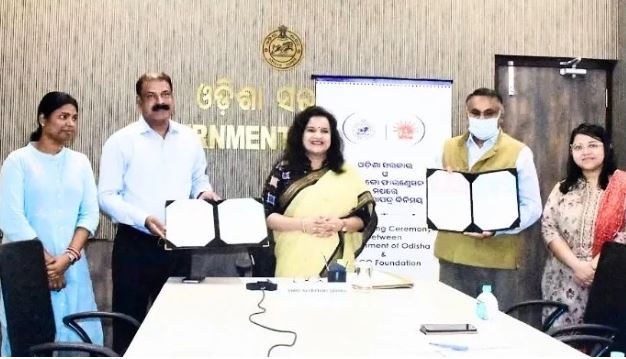
The agreement, signed in Bhubaneswar on September 21, will be implemented in Kalahandi, Koraput, Malkangiri, Nabarangpur, Rayagada and Gajapati, with a focus on improving access to technology, financial services and grassroots support systems.
Seva Hubs To Drive Local Development
Under the initiative, Seva Hubs will serve as community-level service centres that identify local needs, build capacity, coordinate with government departments and connect beneficiaries with clean technologies and financial assistance.
The programme will support sectors including sustainable livelihoods, healthcare, nutrition, climate resilience, vocational skilling, rural entrepreneurship and indigenous innovation.
The initiative is designed to complement existing government welfare programmes by combining technical expertise with community-based implementation.
Farmers, Women And Tribal Communities To Benefit
The project aims to extend training, tools and market linkages to a wide range of beneficiaries, including smallholder farmers, rural artisans, women’s self-help groups, tribal communities, young entrepreneurs and persons with disabilities.
Officials said the emphasis would be on creating sustainable livelihood opportunities while improving access to clean energy solutions in underserved regions.
Chief Secretary Calls For Regular Monitoring
The MoU was signed by Commissioner-cum-Secretary Girish S.N. and SELCO Foundation Chief Finance Officer V.K. Joby in the presence of Chief Secretary Anu Garg.
Former NITI Aayog Chief Executive Officer B.V.R. Subrahmanyam and SELCO Foundation founder Harish Hande participated in the event virtually.
During the review, Garg linked the initiative with the state’s Viksit Odisha 2036 and Viksit Bharat 2047 vision, saying inclusive development in southern Odisha would require coordinated efforts among government agencies and development partners.
To ensure accountability, the Chief Secretary directed the Panchayati Raj and Drinking Water Department to conduct monthly progress reviews, while biannual high-level evaluations will be chaired by the Chief Secretary throughout the five-year implementation period.