Bhubaneswar, Sept 4 (UDN): Biryani has emerged as one of Odisha’s most popular and affordable meals, with eateries and fast-food outlets across Bhubaneswar, Cuttack and other parts of the state serving the dish in large numbers. However, growing concerns over the use of artificial food colours and the quality of ingredients have put the popular dish under the food safety spotlight.
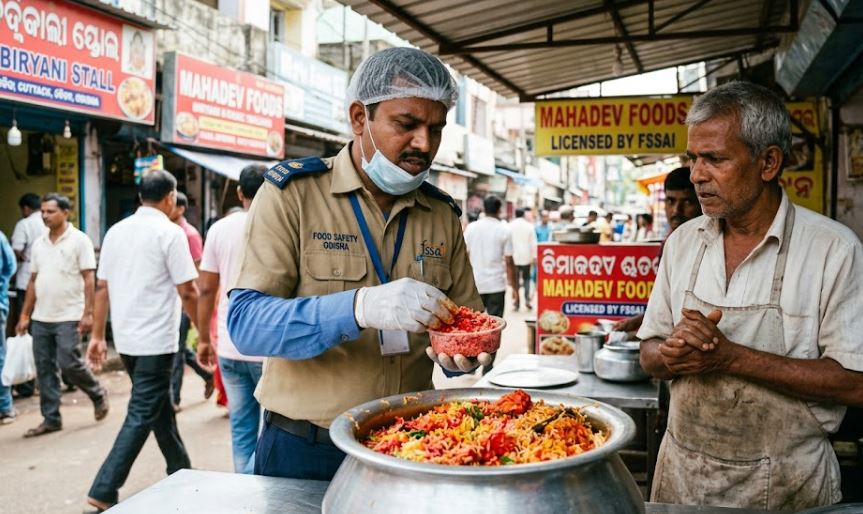
Representational Image
The issue has gained attention amid intensified inspections by food safety officials targeting adulterated and substandard food products. While recent checks have focused on items such as paneer, chhena, milk and other commonly consumed products, questions are also being raised about the ingredients used in prepared foods, including biryani and other fast-food items.
Artificial colours raise concerns
The bright appearance of some biryani preparations has prompted questions about the use of artificial colours, particularly in dishes where colour is added to enhance their visual appeal.
Food safety experts have repeatedly stressed that only permitted food colours should be used and that they must remain within prescribed limits. The use of unauthorised colours or excessive quantities can pose food safety concerns.
For consumers, however, identifying whether a restaurant is using an approved colouring agent is often difficult.
“Biryani is affordable, filling and easily available, so people frequently choose it. But customers generally have no way of knowing what ingredients or colours are being used during preparation,” said a Cuttack resident.
The concern is particularly relevant in the case of inexpensive meals, where intense competition among eateries could encourage some establishments to focus more on appearance and cost than ingredient quality.
Health concerns need careful scrutiny
Health experts say the risks associated with food additives depend on the specific substance, quantity consumed and individual sensitivity. Unauthorised or excessive use of certain food colours can cause adverse reactions, while poor food hygiene and contaminated ingredients can create additional health risks.
Health expert Satyabrata Mahapatra said consumers should be cautious about frequently eating heavily coloured or poorly prepared food.
According to him, foodborne problems can include gastrointestinal symptoms such as vomiting, diarrhoea, acidity and abdominal discomfort. Vulnerable groups, including young children and older adults, may require particular caution when consuming food from establishments where hygiene and ingredient quality are uncertain.
However, claims that every red-coloured biryani is inherently poisonous or that food colouring alone causes severe liver or neurological disease should not be made without evidence identifying the particular colouring substance, its concentration and the level of exposure.
Food safety inspections intensify
The renewed attention comes as food safety enforcement has increased in Odisha. Officials have been inspecting hotels, restaurants, sweet shops and fast-food outlets at different locations as part of efforts to detect adulteration and ensure compliance with food safety standards.
The inspections have also heightened public awareness about the quality of ingredients used by commercial food outlets.
For consumers, experts recommend choosing establishments that maintain visible hygiene standards, avoiding food with unusually intense or unnatural colours and reporting suspected adulteration to the appropriate food safety authorities.
What consumers should watch for
The concern over coloured biryani does not mean consumers need to avoid the dish altogether. Instead, food safety experts recommend moderation and greater attention to where the food is purchased.
Consumers can look for clean cooking and serving areas, properly stored ingredients and freshly prepared food. Extremely bright colours, unusual smells or questionable hygiene conditions can be warning signs, although appearance alone cannot establish whether a food colour is unsafe.
As Odisha steps up its food safety inspections, the focus on biryani and other popular fast foods underlines a larger question: are restaurants and food outlets using ingredients that meet prescribed safety standards?
For a dish that has become a staple for thousands of consumers across the state, ensuring that affordability does not come at the expense of food safety will remain an important responsibility for both businesses and regulators.