Varanasi, 27 August 2026: The hospitality brands that endure will not be those with the most hotels—they will be those that build the strongest destination ecosystems.
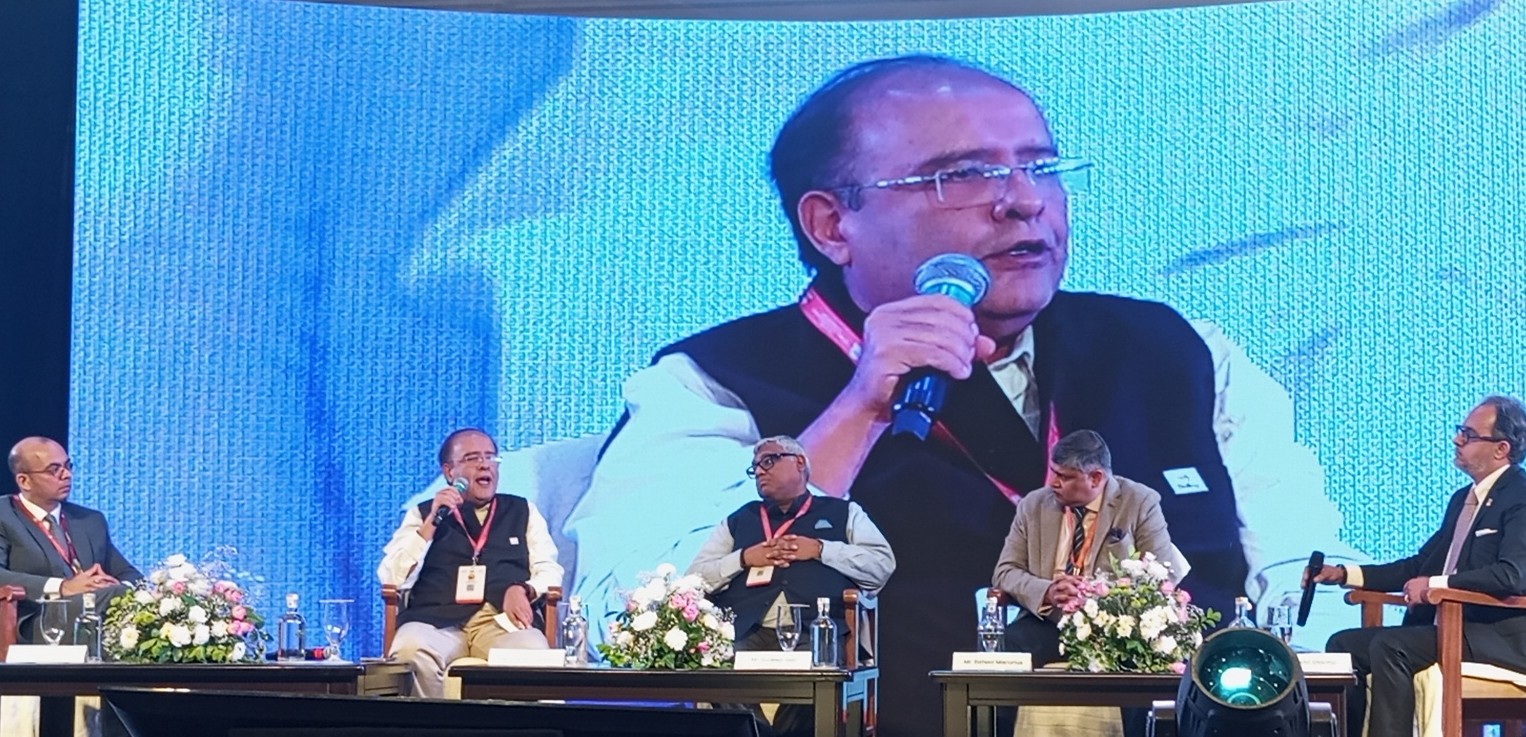
Speaking at the 56th Annual Convention of the Federation of Hotel & Restaurant Associations of India (FHRAI) in Varanasi, Vikram Lalvani, Managing Director & CEO, Sterling Holiday Resorts Limited, presented a simple but powerful philosophy for scaling hospitality without losing authenticity:
“Standardise the invisible. Localise the visible.”
Set against the backdrop of Varanasi—where spirituality, heritage, cuisine and culture are inseparable from hospitality—the conversation explored how India’s next generation of brands can combine operational consistency with deeply local experiences.
Building a Scaled Leisure Hospitality Company
For Sterling, this philosophy reflects more than brand thinking—it reflects the company’s own transformation.
Once primarily associated with vacation ownership, Sterling has evolved into a scaled, leisure-led hospitality company, expanding across established holiday destinations, emerging leisure markets and cities where leisure intersects with business and other travel occasions.
” We are building Sterling into a scaled hospitality ecosystem—one that spans destinations, travel occasions and experiences, and serves the Indian traveller wherever and however they choose to travel. We are proud to be part of the Fairfax family, our growth is sustained by the strength of our own business. The balance sheet we have built has been earned through years of disciplined strategy, operational execution and prudent financial management.”
Lalvani emphasised that growth is no longer about adding more dots on the map.
“Our objective is to broaden the occasions on which guests choose Sterling.”
That philosophy explains Sterling’s expansion into destinations such as Dehradun, Karwar, Mohali, Madurai and Bokaro, while simultaneously identifying emerging leisure markets including Sattal and Jagdalpur.
Becoming Destination Architects
Lalvani argued that Sterling’s competitive advantage lies in recognising destinations long before they become obvious hospitality markets.
The company’s early presence in destinations such as Ooty and Darjeeling amongst many other popular destinations today, combined with its continued expansion into newer locations, reflects an approach that evaluates long-term destination potential rather than simply following established hotel markets.
“We tend to enter destinations where others hesitate to enter. We are not simply expanding hotels—we are helping expand destination ecosystems.”
This philosophy positions Sterling not merely as an operator of hotels and resorts, but as a destination architect—building networks of experiences that encourage travellers to discover India more meaningfully.
The Future of Brand Equity
According to Lalvani, hospitality brands increasingly need to think beyond individual properties.
“A hotel or resort is like the road. The destination is the content.”
Rather than treating cuisine, wellness, nature, heritage and culture as add-ons, Sterling believes these experiences should become defined products that create richer journeys across its growing network.
The principle is straightforward:
- Standardise the invisible—operating processes, safety, hygiene, service standards, revenue management and quality controls.
- Localise the visible—architecture, cuisine, storytelling and experiences that preserve each destination’s character.
Technology as the Orchestration Layer
Lalvani described technology—particularly Artificial Intelligence—not as a replacement for hospitality, but as the invisible engine that enables better hospitality at scale.
Sterling is already deploying AI across backend functions, including AI-assisted income audits that identify operational exceptions, while expanding its use of connected data and decision intelligence to better understand guest intent and personalise experiences.
“AI should manage complexity so that people can focus on judgement. The stronger the invisible machinery becomes, the more meaningful the guest experience becomes.”
Sterling’s Next Chapter
Lalvani concluded that Sterling’s future lies in bringing together four capabilities that reinforce one another:
- A trusted national brand
- A growing network of differentiated destinations
- Productised local experiences
- Technology-enabled operating excellence
“Standardise the invisible. Localise the visible. Create meaningful journeys, and use technology as the orchestration layer that scales them. That is how hospitality brands build lasting differentiation.”