Odisha, Sept. 10 (UDN): In western Odisha, Nuakhai is much more than a festival—it is a celebration of the land, the farmer and the first fruits of the agricultural season. Rooted in centuries-old traditions, the festival brings communities together to express gratitude for the new harvest and the forces of nature that sustain life.
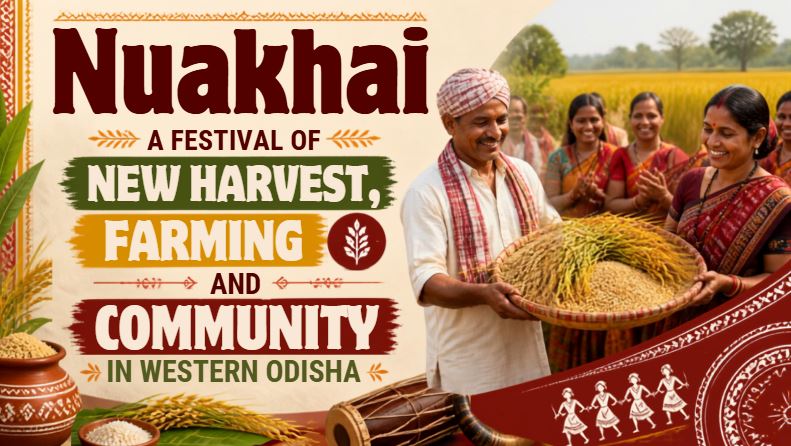
Representational Image
The journey towards Nuakhai begins much earlier in the agricultural calendar. On Akshaya Tritiya, farmers worship Mother Earth and perform the traditional Akhimuthi Anukula ritual, marking the formal beginning of cultivation. Prayers are offered for favourable weather and a good harvest.
The farming cycle is accompanied by several traditional observances. During the transplanting season, Kado Yatra is celebrated, while Shravan Purnima marks another important agricultural tradition when farmers worship cattle after completing ploughing and other farm activities.
As the monsoon progresses into Bhadra, the paddy fields begin to change. The Saria paddy sways in the breeze, signalling the arrival of the much-awaited harvest season and, eventually, Nuakhai.
First Harvest Takes Centre Stage
The defining ritual of Nuakhai is the offering of the newly harvested crop, or Nabanna, to the presiding deity before it is consumed by the community.
Farmer Akash Mishra said the festival stands apart because it brings together every stage of the agricultural cycle while strengthening family and community bonds.
“Nuakhai is special because farmers offer food prepared from the first crop to the deities before consuming it themselves. Families also come together during the festival, making it an occasion of both gratitude and togetherness,” he said.
Preparations traditionally begin days ahead of the festival. Women collect various leaves and prepare Khalidana, as the Nuakhai meal is traditionally served and eaten on leaves rather than conventional utensils.
Nature Woven Into Tradition
Nature occupies a prominent place in Nuakhai celebrations. Different communities use traditional forest leaves, including Kure, Shal, Bhelua and turmeric, in preparing and presenting the Nabanna offering.
The practice reflects an enduring relationship between people, forests and agriculture. For generations, communities have incorporated locally available leaves, plants and other elements of nature into their rituals, keeping the festival closely connected to the natural environment.
Nuakhai is also celebrated across caste and community lines, with people sharing new rice and a variety of traditional dishes as part of the festivities.
A Landscape Ready for Celebration
The approach of Nuakhai transforms the countryside of western Odisha into a distinctive seasonal landscape. Green paddy fields move gently with the monsoon breeze, while stretches of wild sugarcane grass create a white carpet across the countryside.
Wild flowers blooming across fields and rural spaces add to the festive atmosphere, offering a visual reminder of the close connection between the season, agriculture and nature.
At its heart, Nuakhai remains a celebration of gratitude for the harvest and respect for the farmer and the land. Despite changing lifestyles and rapid modernisation, the festival continues to preserve an age-old cultural tradition in which the first produce of the soil is shared with the divine, followed by families and communities coming together in celebration.