Mumbai, May 19 : India’s college festivals have traditionally followed a simple format institutions organise, students participate.
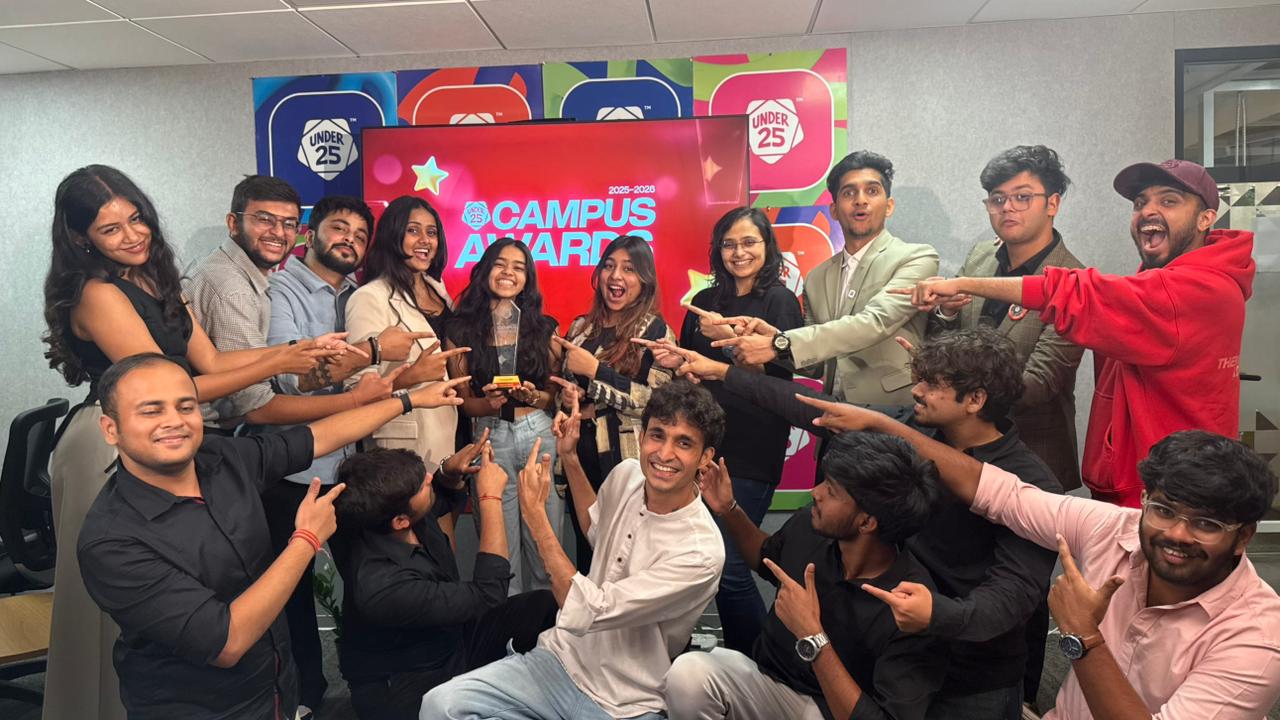
But a growing shift is underway in campus culture, where students are no longer just attendees. They are becoming builders, operators, marketers, creators and community leaders themselves.
At the centre of this shift is the Under25 Summit At Campus (SAC), a decentralised youth festival model that has expanded from just 7 Summits across 3 cities in 2024 to over 200 student-led Summits across 36 cities in less than two years, reaching over 1.2 million students on ground.
What began as an experimental campus initiative has now evolved into one of India’s largest student-led youth engagement ecosystems.
To recognise the Indian students driving this movement, Under25 hosted the third edition of – “Under25 Campus Awards 2025–2026” under the theme #IBuiltDifferent on Instagram Live, spotlighting the organisers, creators and campus leaders shaping a new era of student-led experiences across the country.
Jeel Gandhi, CEO of Under25, mentions,
“At a time when internet culture is increasingly shaped by communities instead of institutions, the awards marked a unique moment for India’s campus ecosystem: where student leadership, creator culture and digital participation came together on a national scale.”
The awards saw participation from over 250 colleges and universities including Bennett University, Christ (Deemed to be University), Pandit Deendayal Energy University (PDEU), Ajeenkya DY Patil University, Shoolini University, BVDU Navi Mumbai, Poornima Engineering College and Reva University, among others.
The platform received over 800 nominations across 27 categories spanning campus leadership, event execution, creator campaigns, student engagement, brand integrations and cultural impact. A total of 35 winners were recognised across categories including Public Choice Awards, Backbone Awards, Brand Awards, Superlatives, Do It For The Gram Awards and Big Bang Awards.
Unlike conventional college fests, SACs operate through Under25’s Fellowship model, where students independently conceptualise and execute Summits on their campuses. From partnerships and sponsorships to production, programming, creator outreach and audience growth, students lead every aspect of the experience themselves.
Over time, the model has evolved into a live experimentation ground for youth engagement, creator-led communities and campus culture. SACs have brought together students with entrepreneurs, artists, creators and cultural voices including Dolly Singh, Sanya Malhotra, Buvan Bam, Prajakta Koli, Avinash Tiwary and Kishore Biyani, among others, across campuses in India.
For many students, the impact has gone beyond events.
For Shubham Gaikwad from Khopoli, on the outskirts of Mumbai, the SAC Awards marked a defining personal milestone. Alongside BVDU Navi Mumbai’s sweep of five awards, Shubham was recognised as Fellow of the Year – reflecting the larger spirit behind #IBuiltDifferent: students stepping beyond participation and becoming leaders within their own communities.
The rapid growth of SACs reflects a wider shift in how Gen Z engages with culture, communities and identity itself. Instead of passively consuming experiences, young people increasingly want participation, visibility and ownership in shaping them.
Jeel adds,
“We realised very early that young people don’t just want events anymore, they want ownership. SACs work because students aren’t volunteering at the edges; they are building the entire experience themselves. What started as a campus initiative has now become a nationwide network of student-led cultural infrastructure across India.”
As brands, creators and institutions look for more meaningful ways to engage youth audiences, student-led ecosystems like SACs are emerging as far more than just campus events or properties. In a country with one of the world’s youngest populations, they are becoming cultural infrastructure and a blueprint for how India’s next generation wants to gather, create, collaborate and lead — online, offline and increasingly, on their own terms.