New Delhi, Apr 29 (BNP): India must adopt a comprehensive and long-term policy approach to address the growing risks arising from currency depreciation, imported inflation, and a widening balance of payments (BoP) deficit, according to a recent report by the State Bank of India.
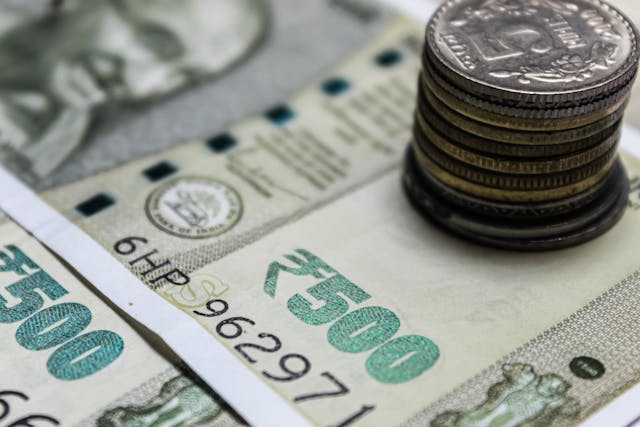
The report underscores that the primary concern is not just immediate external shocks, but their “second-round effects” on the broader economy. When the rupee weakens, the cost of essential imports such as crude oil and raw materials rises. Over time, businesses transfer these higher costs to consumers, resulting in sustained inflationary pressures.
It further notes that continued capital outflows are adding to the strain on the rupee, creating a cycle where depreciation fuels inflation, and inflation, in turn, weakens economic stability.
Importantly, the report points out that the current depreciation of the rupee appears misaligned with India’s macroeconomic fundamentals. This makes it crucial for policymakers to intervene with structural solutions rather than relying solely on short-term measures.
A central issue highlighted is the widening balance of payments deficit. A deficit occurs when a country’s total outflows—such as payments for imports, services, and investments abroad—exceed its inflows from exports and foreign investments. This imbalance can erode foreign exchange reserves and put downward pressure on the national currency.
The implications are far-reaching. A persistent deficit can lead to higher inflation, reduced investor confidence, and increased vulnerability to global financial shocks. It may also constrain the country’s ability to sustain stable economic growth.
The report calls for targeted structural reforms aimed at stabilizing the currency, managing inflation expectations, and reducing external imbalances. Addressing these challenges proactively will be essential to safeguarding India’s economic resilience amid an uncertain global environment.
